Simon Hantaï
Unfolding Color
15. 8. 2026 — 10. 1. 2027
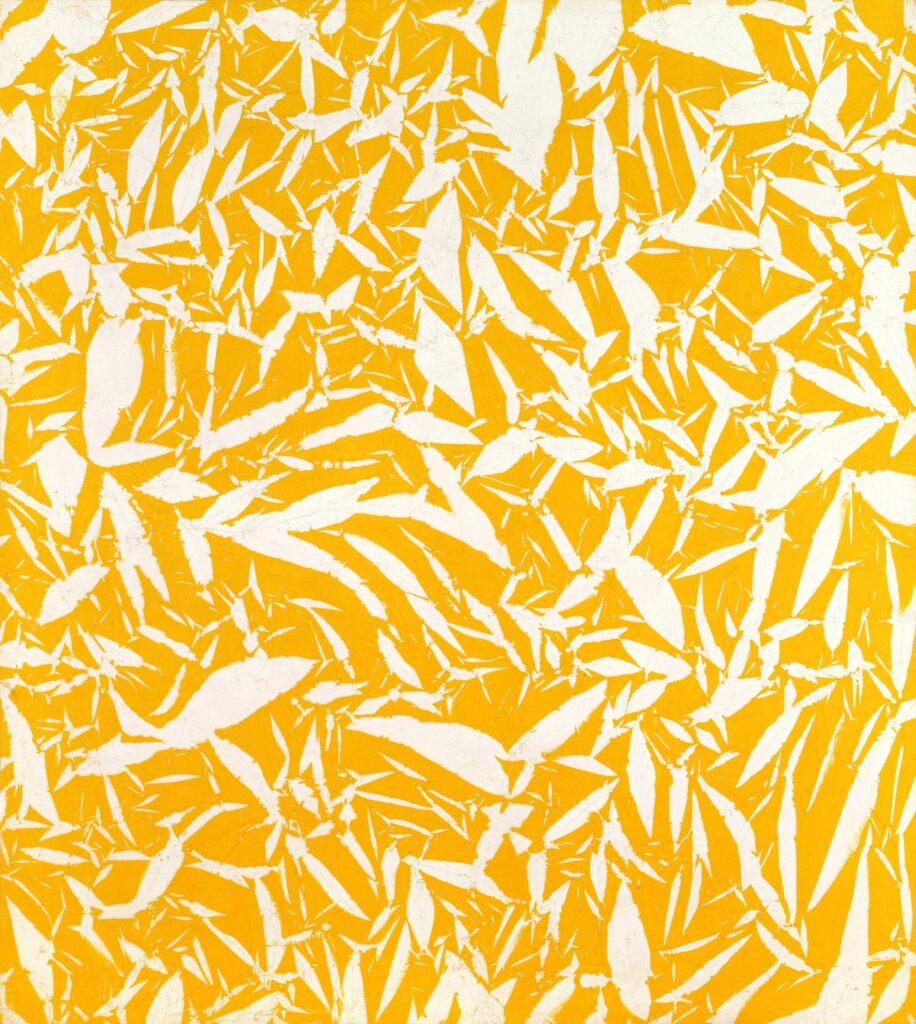
Simon Hantaï (1922–2008) is among the most important representatives of international postwar modernism. In 1948, the Hungarian artist emigrated to Paris, where he soon moved within the circles of the emerging avant-garde. After an initial Surrealist phase, he turned to Art Informel painting in the 1950s while engaging intensively with the work of Jackson Pollock. The year 1960 marks a turning point in Hantaï’s work: from that moment on, he concentrated his radically experimental research on “pliage comme méthode”—works in which he covered the folded canvas with oil or acrylic paint to create luminous patterns of chance. In 1980, Hantaï was awarded the Grand Prix National des Arts Plastiques; two years later, he represented his adopted homeland at the Venice Biennale. With approximately 40 key works, some monumental in scale, spanning four decades of creative output, the exhibition in Baden-Baden offers a multifaceted overview of Hantaï’s visually powerful oeuvre and presents his outstanding contribution to international postwar abstraction as a sensually moving celebration of color. The numerous lenders to this exhibition include the Musée d’art contemporain de Bordeaux, the Fondation Gandur pour l’Art, Geneva, the Fondation Louis Vuitton, the Musée d’art moderne de Paris, and the Musée d’art moderne et contemporain de Saint-Étienne.
An exhibition of Museum Frieder Burda, Baden-Baden. With generous support from the Archives Simon Hantaï, Paris.
Our Media Partners


Side Events
-
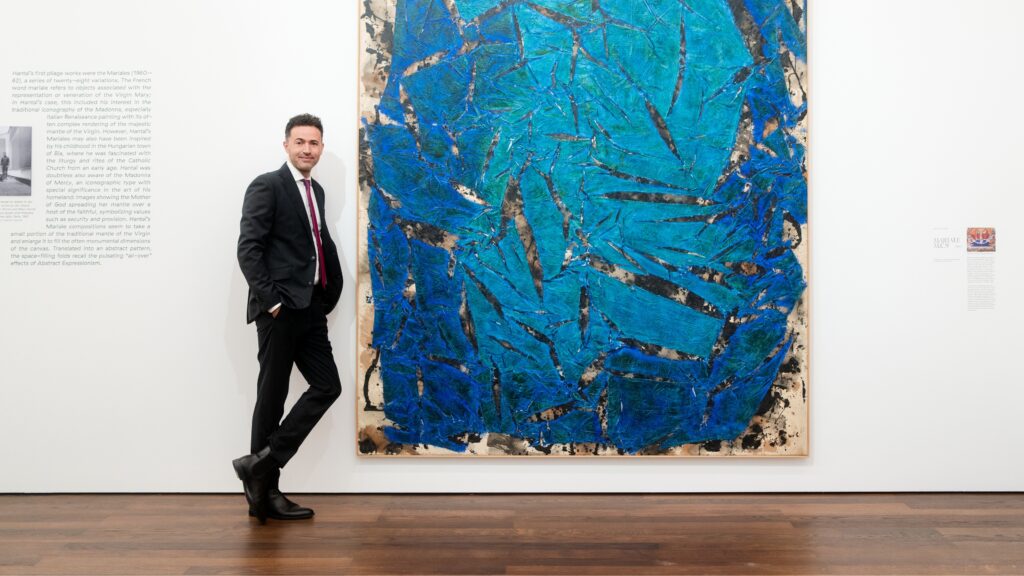
Director's Tour
Tour with Dr. Daniel Zamani
-
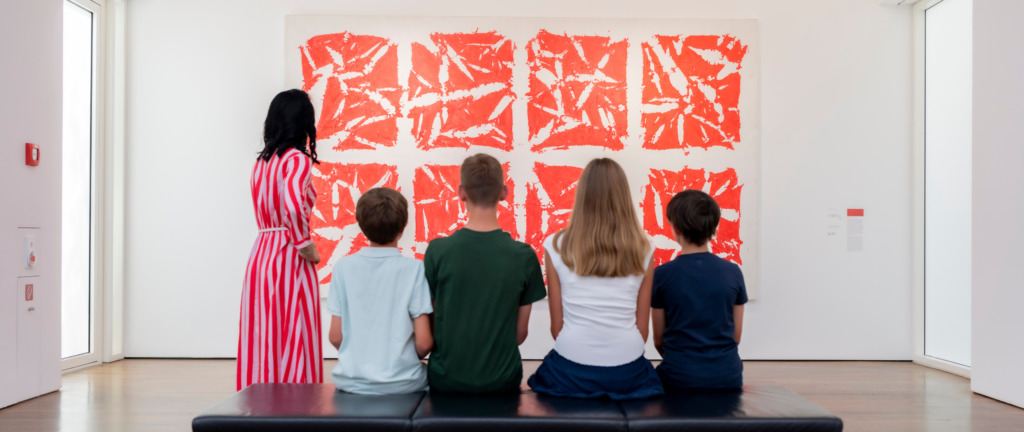
Public Tour
Unfolding Color
-
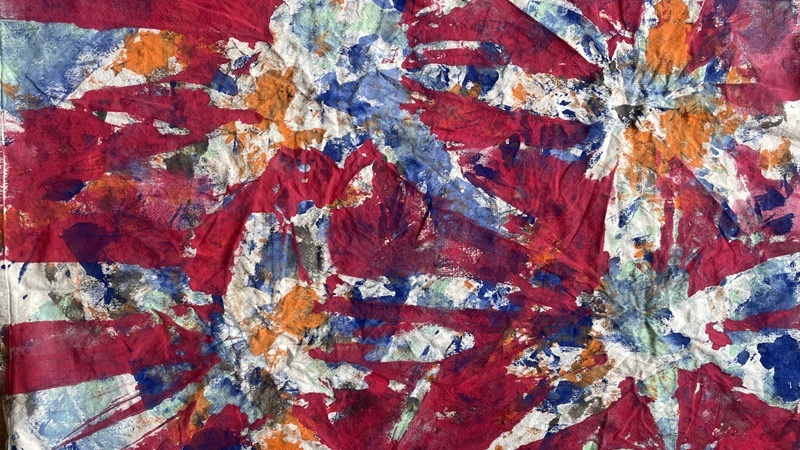
Workshop for Adults
The Pliage Technique—Between Chance and Structure
-
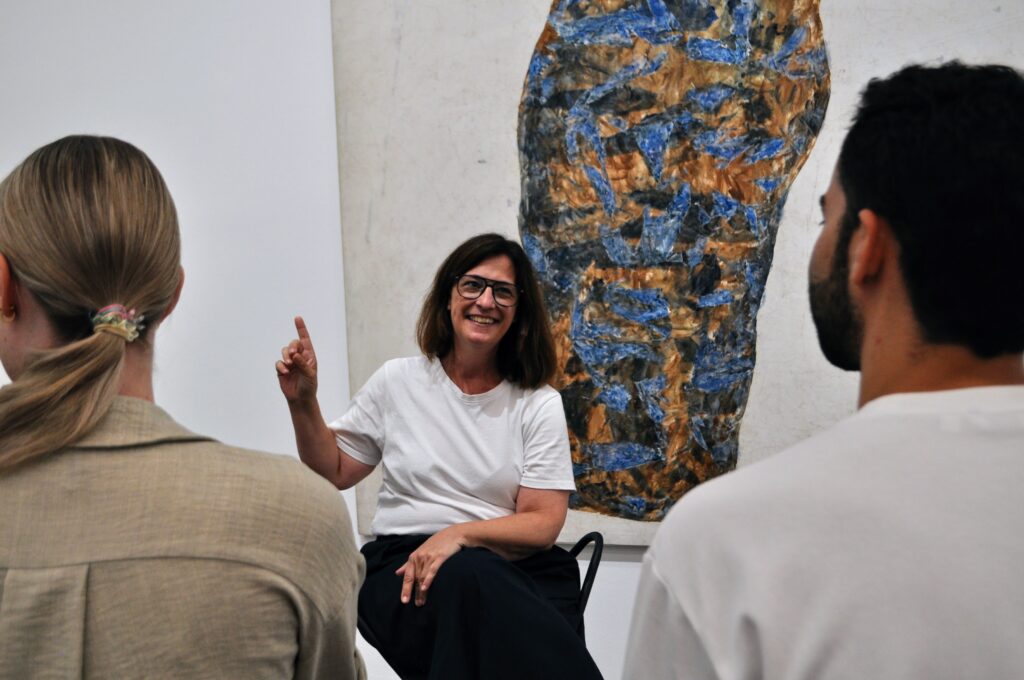
Guided Tour
Guided Tour for People with Dementia and Their Caregivers
-
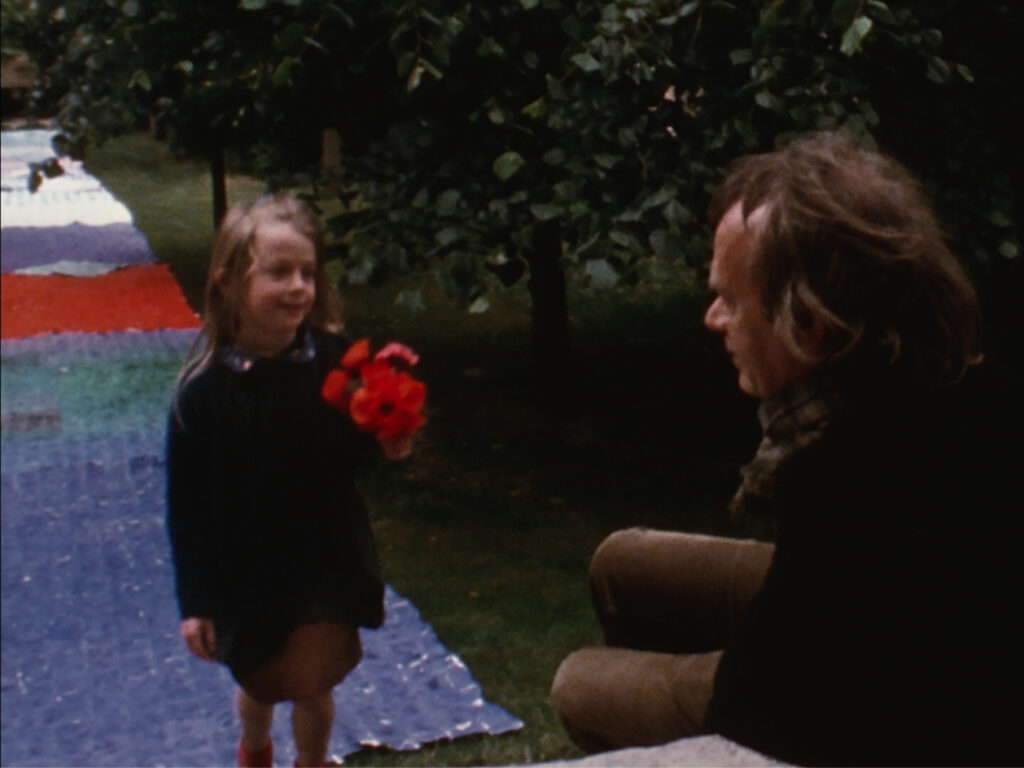
Film Series
LEINWAND FILM SERIES | ART AT MOVIAC — MOVIES AT KAISERHOF
-
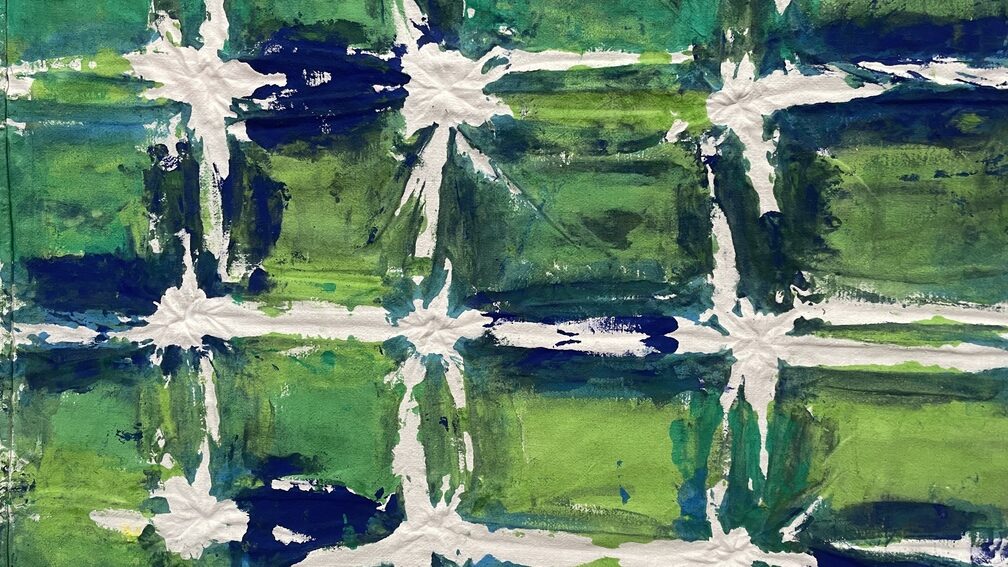
Workshop for children ages 6 and up
Folding and Printing with Fabric